Company-Owned vs. Franchise Delivery Networks: Why Ownership Changes Reliability
An explainer on how Avexor's owned-branch model (vs. a purely outsourced partner network) affects consistency, accountability, and service recovery.
Two logistics providers can promise the same coverage and the same timelines on paper. What often separates them in practice is how their network is built. Some operate largely through franchisees and outsourced partners. Others run their own branches. That difference shapes how consistently shipments are handled, who is accountable when something goes wrong, and how quickly problems get fixed.
How the Two Models Work
Franchise or outsourced networks extend reach by partnering with independent operators in each region. The brand sets the standard, but local partners run the day-to-day operations, often with their own staff, processes and priorities.
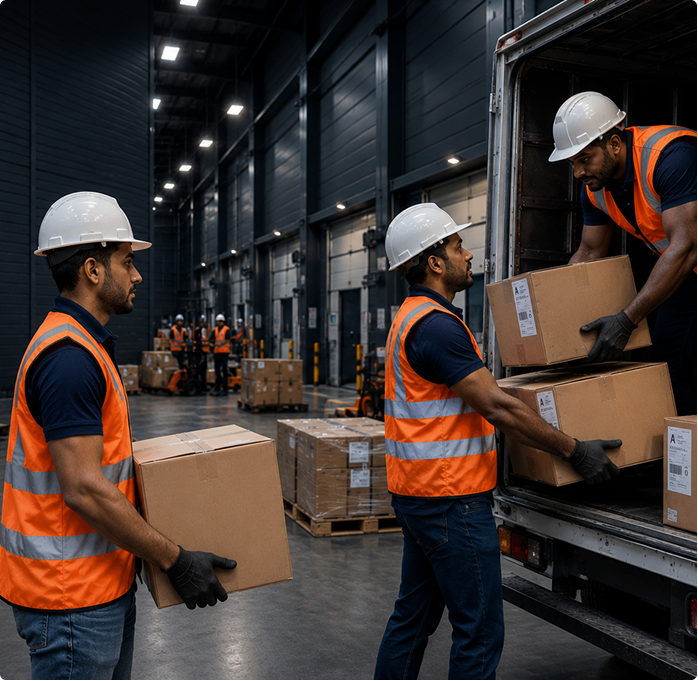
Company-owned networks operate branches directly. The same organisation manages the people, processes, systems and service standards across locations.
Both models have their place. Franchise networks can scale quickly into new areas. But for time-critical and high-value shipments, ownership tends to deliver more predictable results.
1. Consistency
In a franchise network, service quality can vary from one location to the next depending on how each partner operates. In an owned network, the same training, handling standards and operating procedures apply everywhere, so a shipment is treated the same way in every city it passes through.
2. Accountability
When a shipment is delayed or damaged in an outsourced network, responsibility can get lost between the brand and the local operator. With owned branches, there is one organisation responsible for the full journey. No passing the problem along.
3. Service Recovery
When something goes wrong, speed of response matters most. Owned networks can reroute shipments, reassign resources and escalate issues internally without negotiating across separate businesses. That means faster recovery and fewer surprises for the customer.
4. Visibility and Data
Owned branches typically run on shared systems, giving customers cleaner tracking, consistent milestone updates and reliable MIS reporting. Outsourced networks often rely on multiple systems stitched together, which can create gaps in data.
5. Control Over Priorities
A franchise partner may be serving several brands at once, balancing their own business priorities. An owned branch works to one set of commitments, so urgent shipments get the attention they need.
The Avexor Model
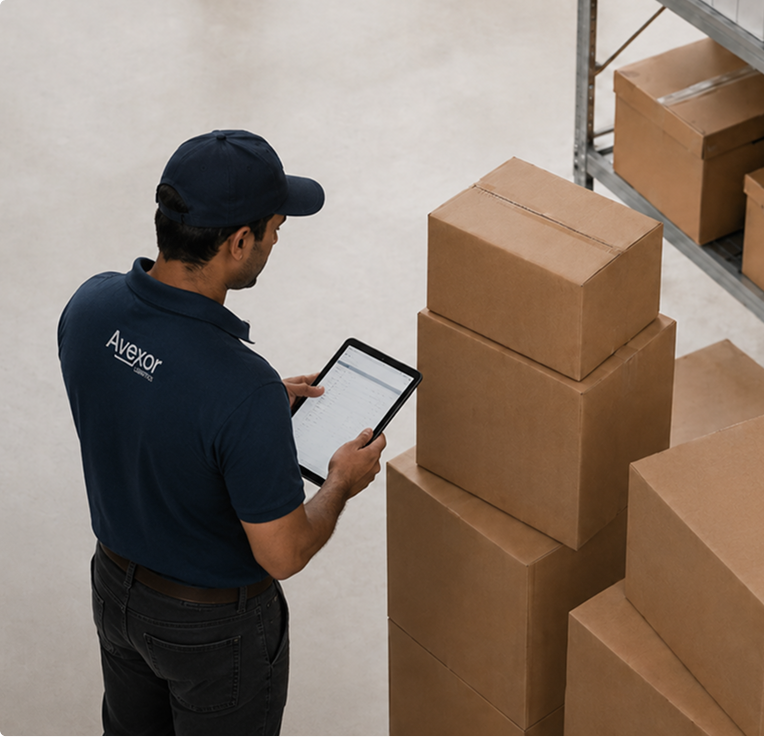
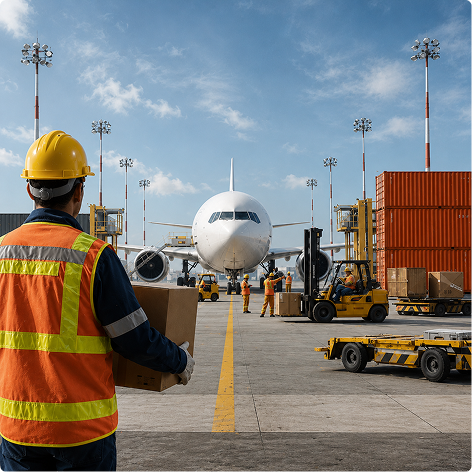
Avexor operates through its own branch network, so Vexa Air and Express Surface shipments are handled under one set of standards, systems and people from pickup to delivery. That means consistent service, clear accountability and faster recovery when plans change.
Want a logistics partner that owns the outcome? Talk to the Avexor team.
.png)